Tailor-made trips
A tailor-made journey through Namibia
Discover Namibia on a personally crafted journey through open landscapes, desert and vast nature.
Namibia
This is Namibia
Sielvol Afrika plans the route at an easy pace, with enough time for the great distances that make this destination so special.
Tailor-made trips to Namibia from €4,500 per person — indicative.
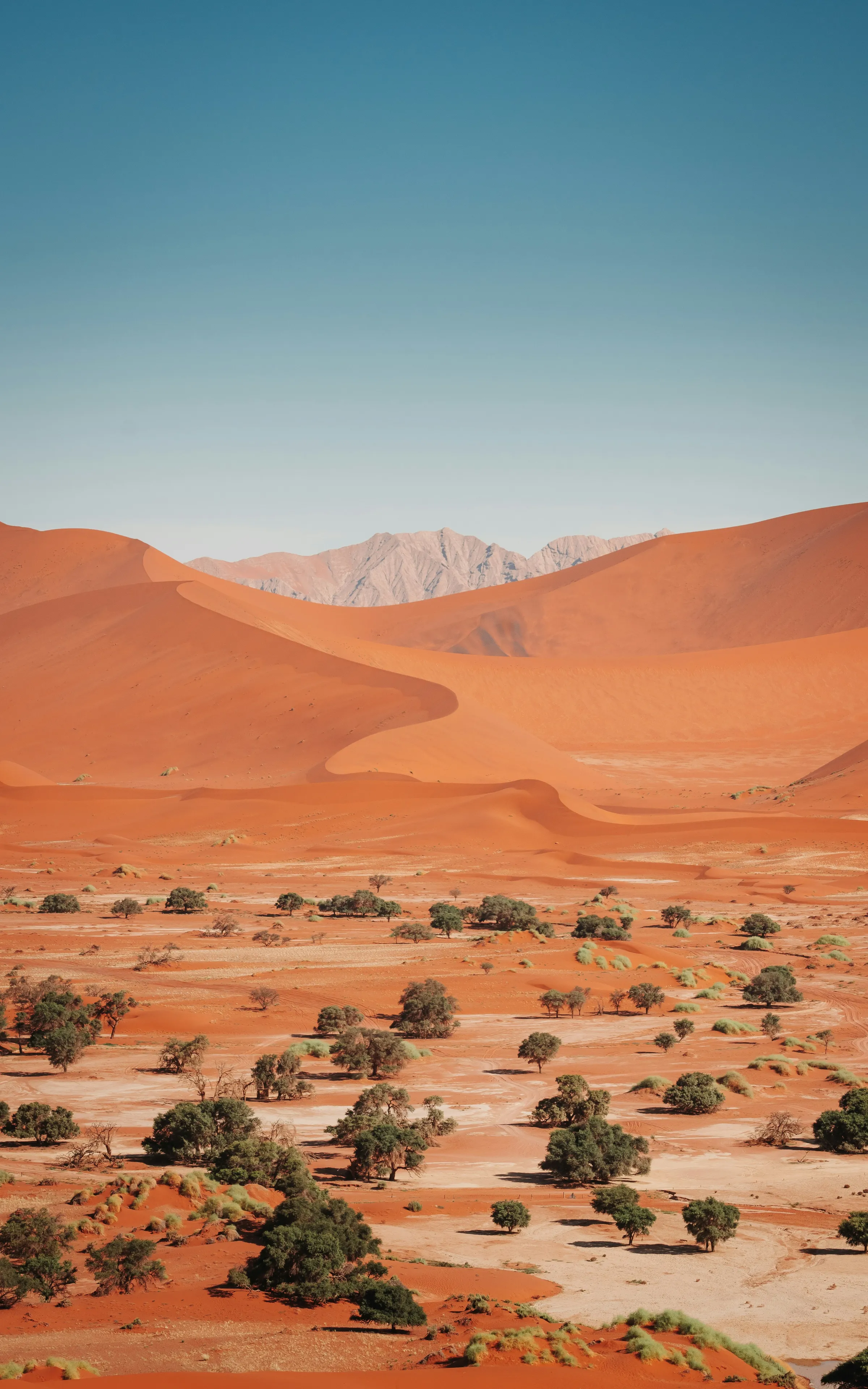
Namibia is a country for those who want to feel the vastness of nature. The surreal, overwhelming landscapes remind you how small we are — and that we're part of something far greater.
It's one of the few places where you can still meet peoples living in their most traditional ways: the San, the Himba and the Ovambo. A country with a raw, layered history, with forgotten corners of a diamond past that few travellers ever reach — and whose stories even fewer have heard. And a place where rare wildlife appears where you least expect it: oryx, black rhino and the remarkable desert-adapted elephant.
In Namibia, the landscapes set the tone. You don't travel past sights — you move through the silence.
Good to know
Namibia at a glance
Who is it for?
Namibia suits travellers who love open landscapes, wildlife, peace and quiet, photography, traditional ways of life and travelling with longer distances between destinations.
It's above all a destination for those seeking space and silence, who want to take the time to let a place really sink in.
Best time to travel
May–October (dry winter): the best time for wildlife. Animals gather around Etosha's waterholes, the air is clear and the nights are cool — ideal for safari and photography.
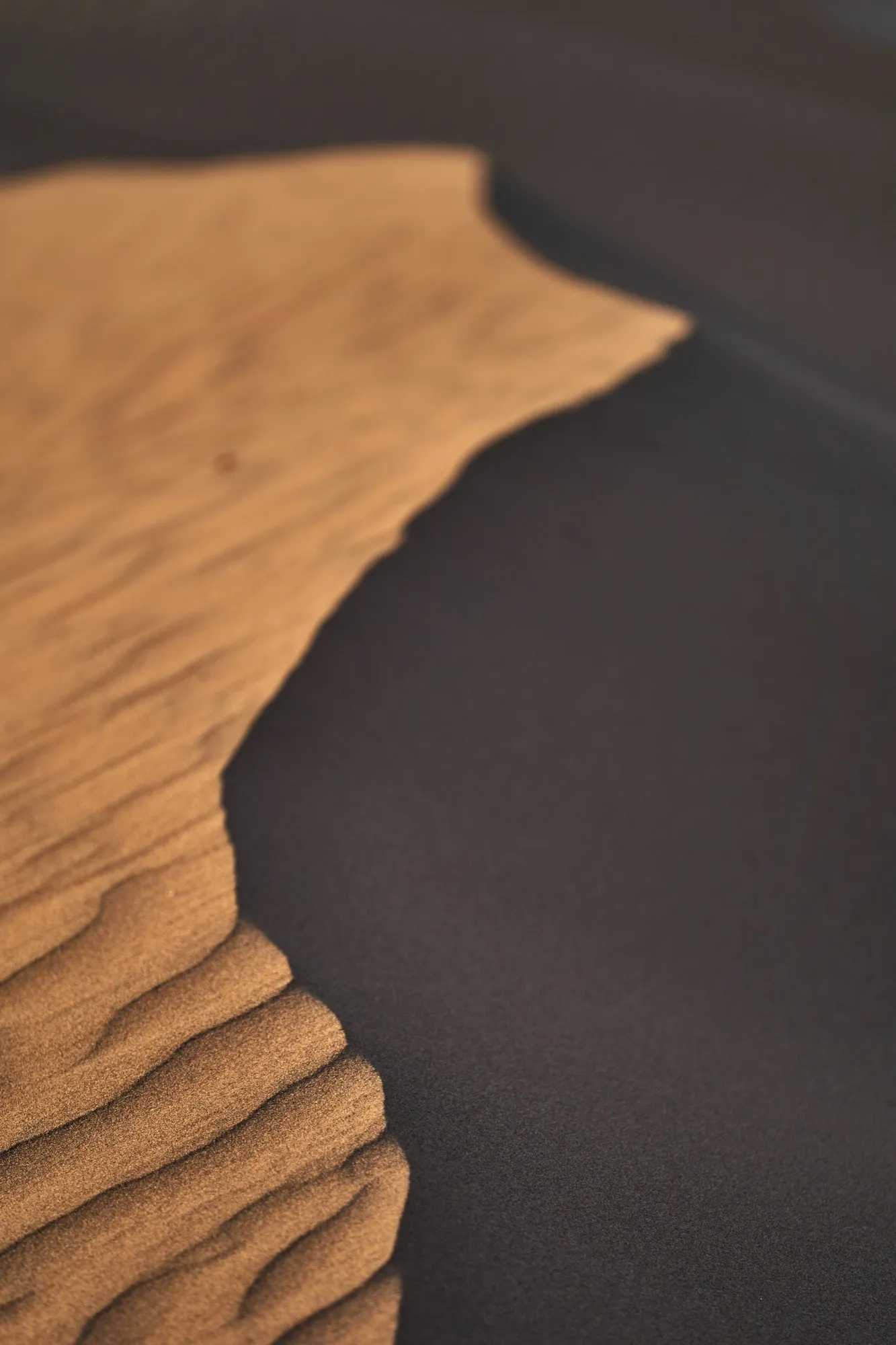
Year-round: the desert landscapes of Sossusvlei and the Namib are impressive in every season; the early-morning light is the most beautiful.
January–April (green season): warmer and greener, with a chance of short, heavy showers and dramatic skies.
How many days do you need?
For a first tour, two to three weeks is usually right. Because of the great distances, a more relaxed schedule is often more rewarding than visiting many places in a short time.
We build the route so you can take it all in along the way, instead of having to cover kilometres every day.
Inspiration
Places you can discover
We start from the themes that speak to you, not from a fixed list of destinations. A few places for inspiration:
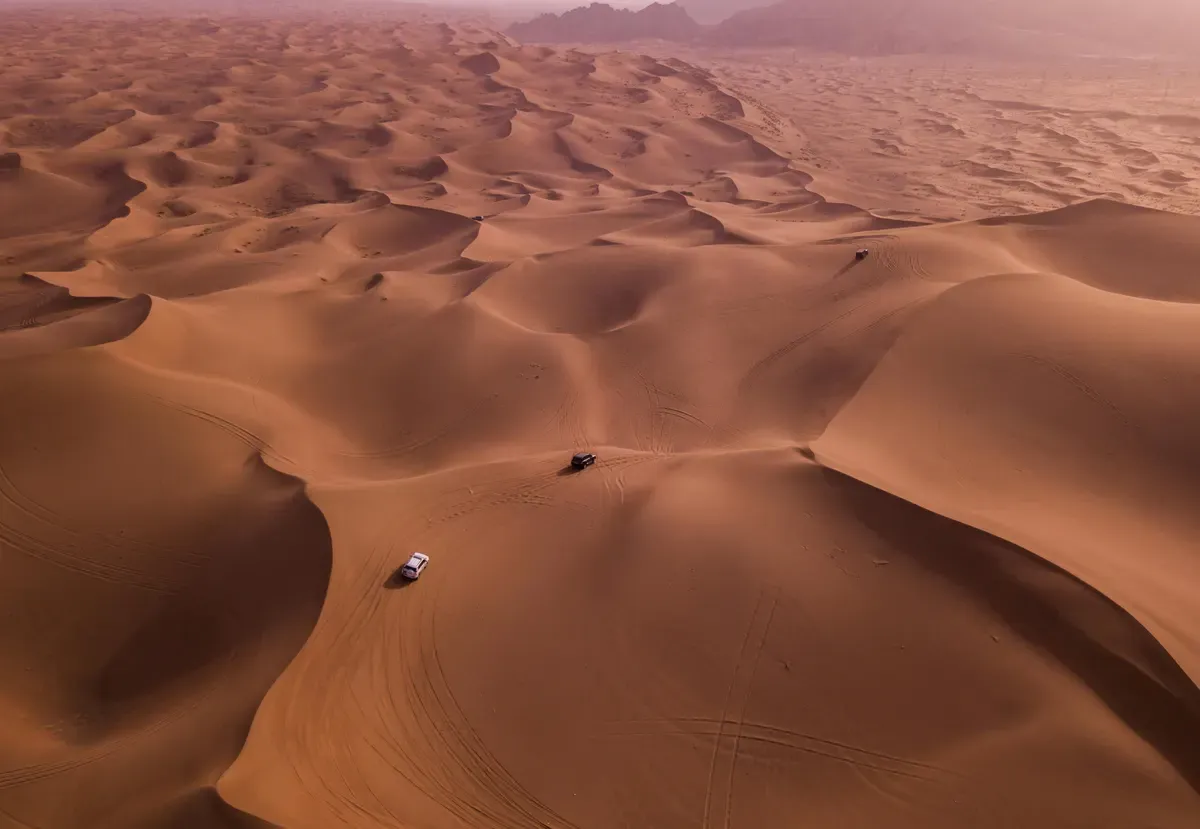
Sossusvlei & the Namib Desert
The highest dunes in the world and the ghostly trees of Deadvlei.
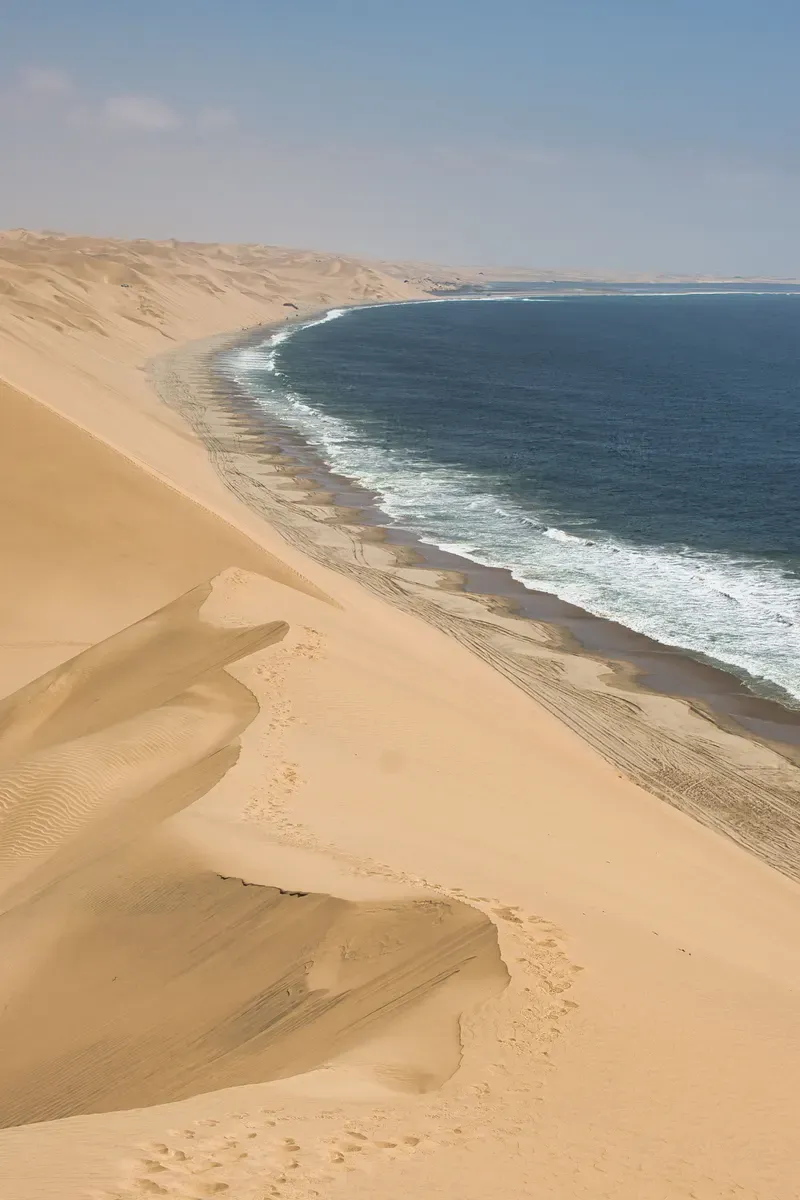
Swakopmund & the Skeleton Coast
A colonial coastal town where the desert meets the ocean.
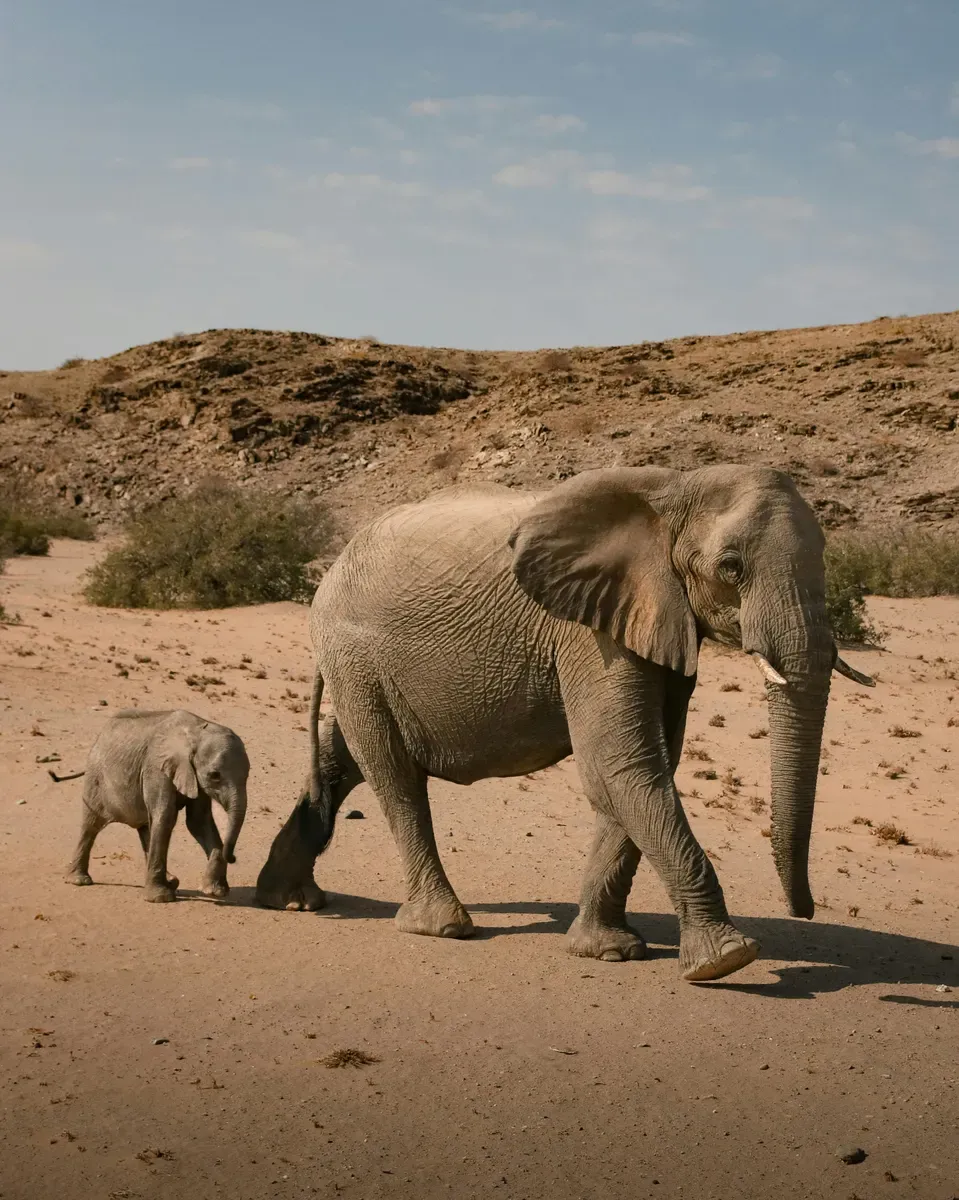
Damaraland
Desert-adapted elephants, the rock engravings of Twyfelfontein and vast emptiness.
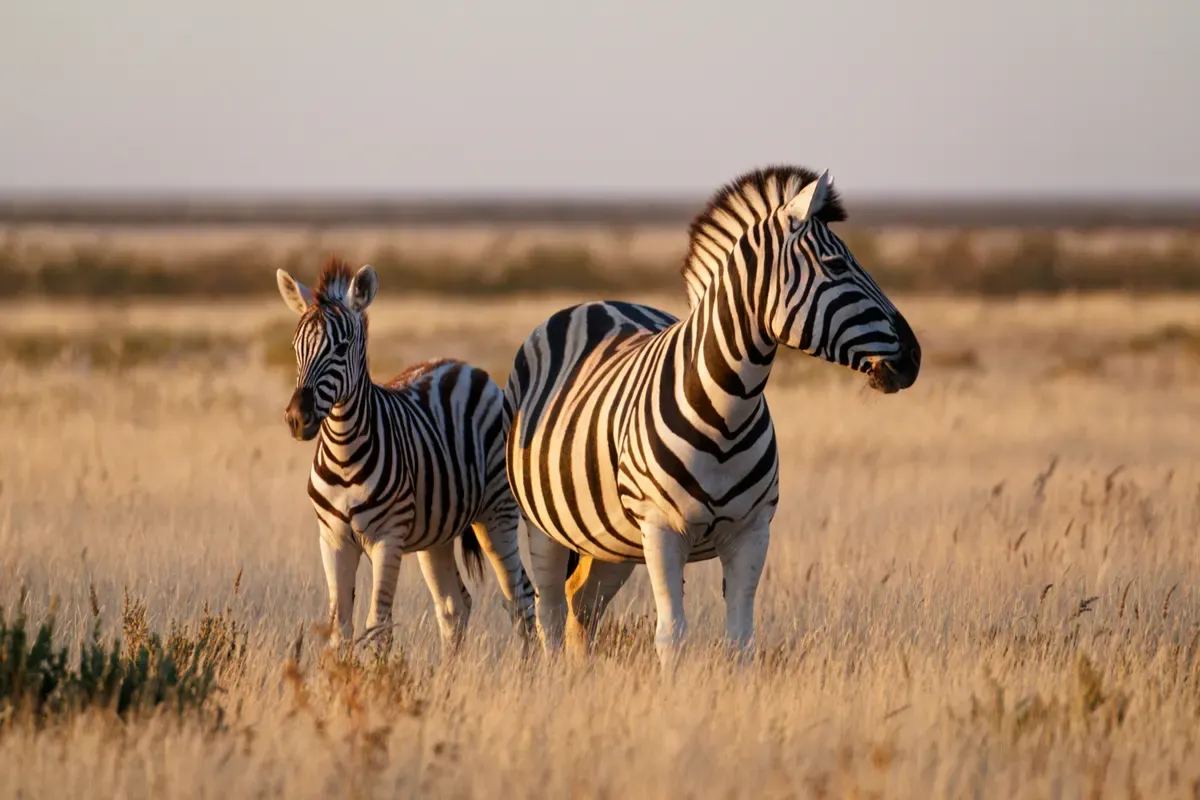
Etosha National Park
An enormous salt pan with waterholes where the wildlife gathers.
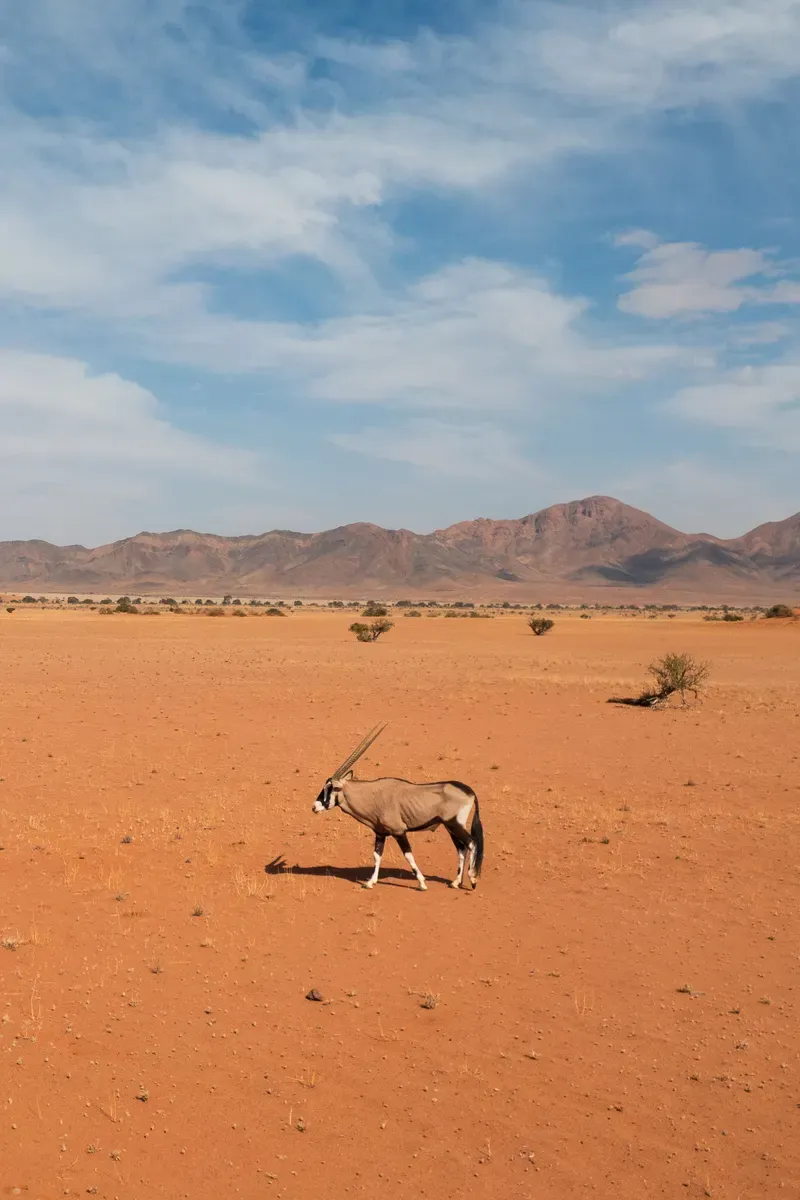
Kaokoland (the north)
The homeland of the Himba, rugged and remote.
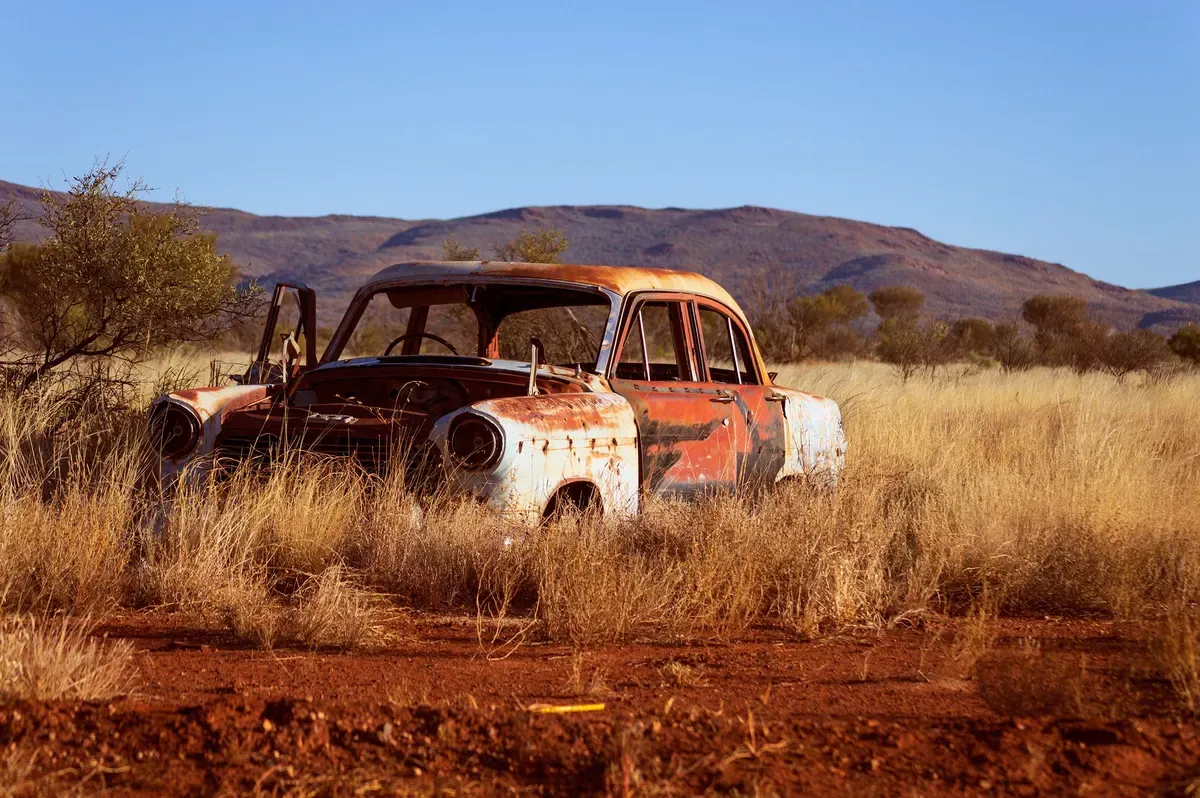
Fish River Canyon & Kolmanskop (the south)
One of the largest canyons in the world and a sand-swept diamond town.
Travel impressions
Images from Namibia
FAQ
Frequently asked questions about Namibia
Who is Namibia suited to?
Namibia suits travellers who love open landscapes, wildlife, peace and quiet, photography, traditional ways of life and travelling with longer distances between destinations. It's a destination for those who want to feel the vastness and silence of nature.
What is the best time to travel to Namibia?
The dry winter months (May–October) are best for wildlife, when animals gather around Etosha's waterholes; the days are sunny and the nights cool. The desert landscapes are impressive year-round. January–April (the green season) is warmer and greener, with a chance of short rain showers.
How many days do you need for Namibia?
For a first tour, about two to three weeks is usually right. Because of the great distances, a more relaxed schedule is often more rewarding than visiting many places in a short time.
Can you self-drive in Namibia?
Self-driving is popular and gives you a lot of freedom; the main routes are very manageable. Do bear in mind the large distances and gravel roads — allow plenty of time, drive calmly and carry enough fuel and water. A 4x4 is recommended. If you'd rather be looked after, a guided trip with a private guide is a lovely option, also for the stories along the way.
Is Namibia suitable for families?
Namibia can be suitable for families, but the long driving distances need attention. It often works best with older children and a route built at an easy pace. We match the pace, the stages and the activities to your children's ages.
What nature and wildlife can you expect?
Namibia surprises with wildlife in unexpected places. Think of the desert-adapted elephant and the black rhino, oryx (gemsbok) against the dunes, springbok, giraffe and — in Etosha — lions around the waterholes. On the coast at Cape Cross lies one of the largest seal colonies in the world. Even the beetles and the flamingo migration that few people expect can feel like the wildest wildlife you've ever seen.
How do you combine Namibia with other countries?
Namibia combines well with Botswana (via the Caprivi Strip), or with South Africa as a comfortable start or finish to your trip.
Namibia is also the destination of our Trail — a small group, nine days immersed in nature. Prefer a fully tailor-made trip? Plan a discovery call.

Start your journey
Ready for Namibia?
Plan a no-obligation discovery call and explore with Amber what's possible.